When legends reach their last dance, the emotional story is also a business story about timing, scarcity, attention and financial choices.
Reading time: 7 minutes. Money no Sofa editorial analysis.
When nostalgia becomes an economic force
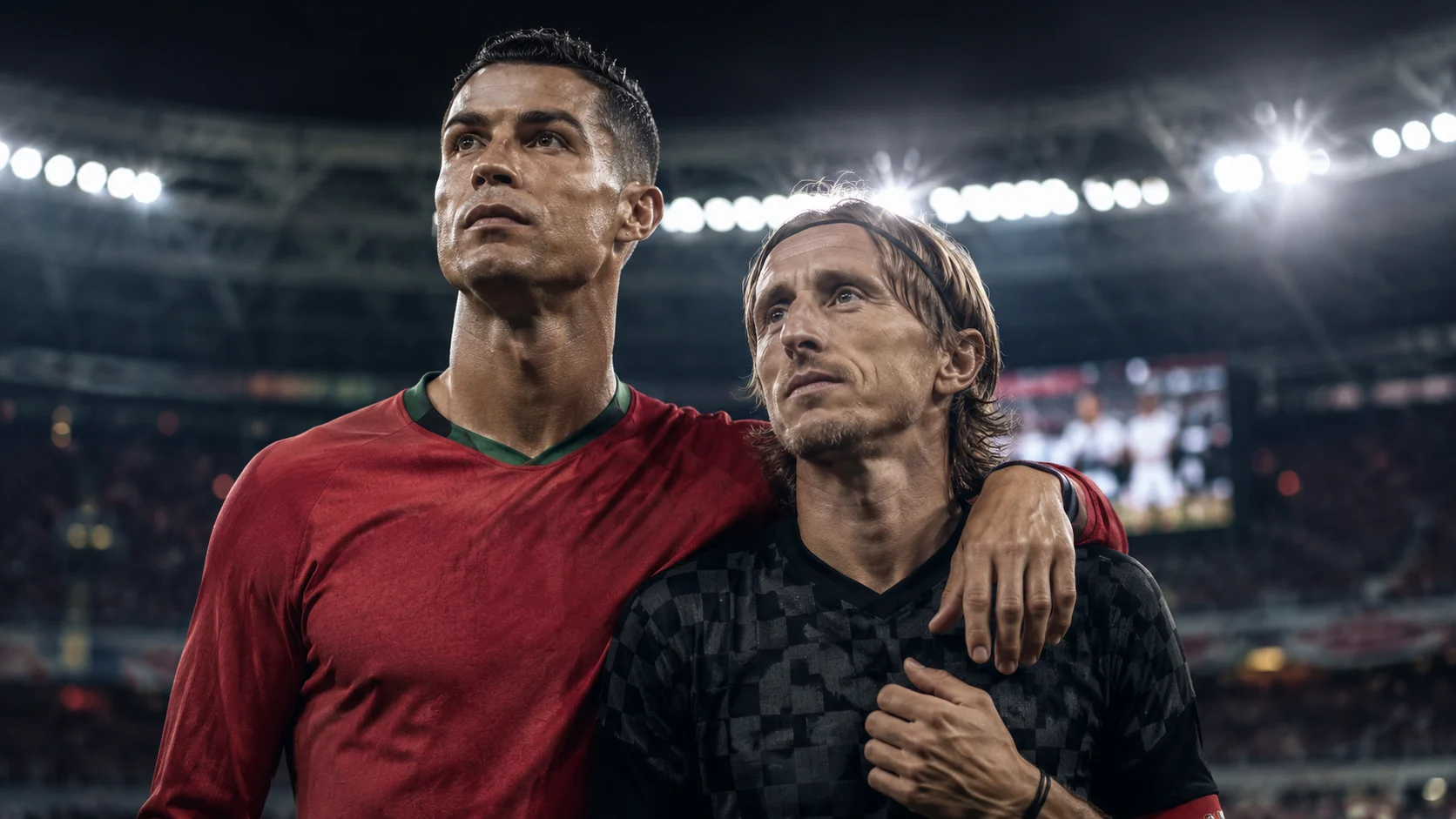
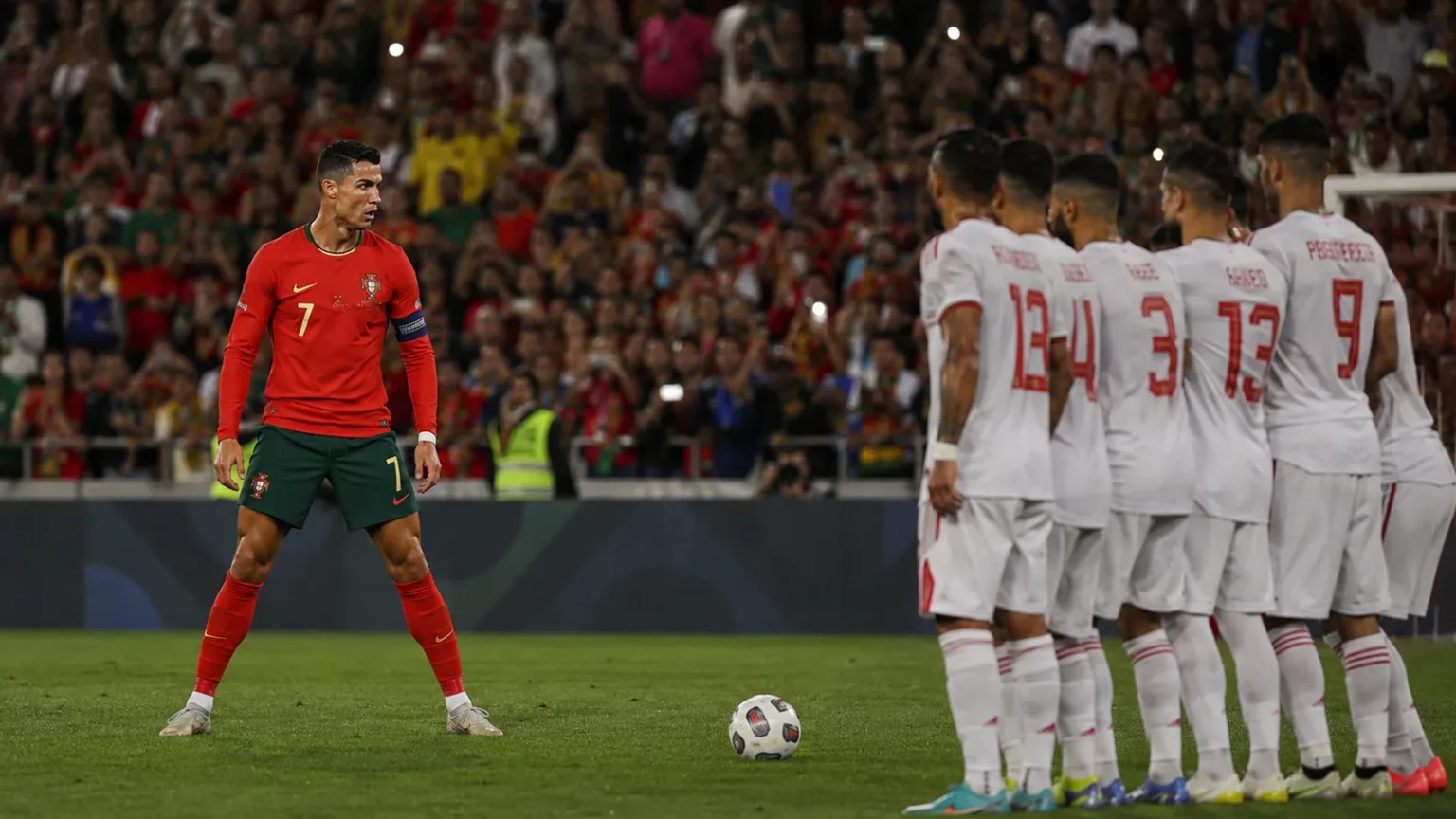
Ronaldo and Modric are not only players anymore. They are scarcity machines. Every late-career tournament turns their presence into a limited asset: one more warm-up, one more anthem, one more camera close-up, one more chance for fans to say they saw them before the end. That is why a Portugal-Croatia match in the knockout stage of a World Cup carries more than tactical meaning. It carries the price of time.
Reuters reported that thousands of Portugal and Croatia fans marched through Toronto heat to see what many believed could be the final World Cup meeting between Cristiano Ronaldo and Luka Modric. The Guardian framed the reunion as a possible last shared stage for two players with more than two decades of international relevance. That is not ordinary sports attention. That is memory being traded in real time.
People often think sports money is built only on winners. It is not. It is built on moments people believe they cannot repeat. A final tournament, a final duel, a final goal, a final walk off the pitch — these are emotional assets. Fans spend because they are not buying the match alone. They are buying participation in an ending.
That is why farewell tours work in music, sports and entertainment. The value is not simply performance quality. It is the emotional deadline. When the audience believes time is running out, attention concentrates. Ticket demand rises. Media interest increases. Merch becomes symbolic. Even people who have not followed every game feel the need to watch because the moment sounds historically limited.
This is the same model families face at a smaller scale. “Last chance” language moves money. Final sale. Last units. Last summer before school. Last World Cup with a child still at home. Last trip before prices rise. Emotion makes the decision feel urgent before the spreadsheet has a chance to speak.
The real lesson from two careers
Ronaldo and Modric built something deeper than talent. They built compounding trust. Ronaldo’s brand has been based on output, physical discipline, ambition and statistical obsession. Modric’s brand has been based on elegance, humility, control and longevity. Different personalities. Same executive lesson: the market rewards consistency when it lasts long enough to become identity.
That is what most people miss about money. Income is not the full story. Reputation is also capital. Reliability is capital. A repeated style of delivery is capital. When people know what you stand for, they can price your presence faster. That is why these players can create global demand even when they are no longer at their physical peak. The value has moved from pure performance to meaning.
The business danger of the last dance
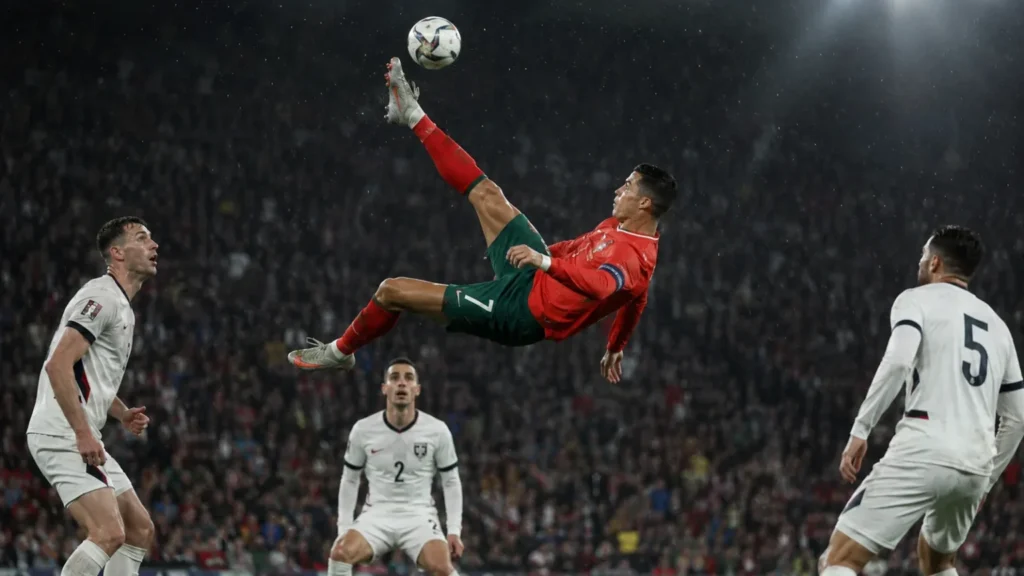
There is also a trap. Nostalgia can inflate the emotional price of a moment. Fans may overspend on tickets, travel, shirts, streaming packages, souvenirs and watch parties because the story feels bigger than the budget. Brands can overpay for short-term association if they do not understand whether attention will continue after the farewell. Media companies can overbuild coverage around a personality and then struggle when the personality exits.
In other words, scarcity creates demand, but it can also create poor judgment. The executive question is always: what remains after the moment? If the answer is only a memory, spend carefully. If the answer is a lasting community, a new product line, a documentary, a coaching platform, a federation project or a long-tail content library, then the last dance can become the first asset of the next chapter.
The Money no Sofa takeaway
From the sofa, the Ronaldo-Modric story is not just about football. It is about how value changes when time becomes visible. We spend differently when we feel an era closing. We pay more attention when we believe something cannot happen again. We justify costs when memory enters the room.
The practical move is not to reject emotion. Emotion is part of life. The practical move is to name it before it swipes the card. Ask: am I buying utility, memory, status or fear of missing out? If the answer is memory, decide the price in advance. If the answer is status, pause longer. If the answer is utility, compare calmly. That is how you enjoy the last dance without letting the last dance control the wallet.
Sources and editorial note
This article is an editorial business analysis based on current World Cup reporting about Portugal, Croatia, Cristiano Ronaldo and Luka Modrić. Sources include Reuters reporting on the Portugal-Croatia match in Toronto, Reuters reporting on Portugal’s 2-1 win, and Reuters reporting on Zlatko Dalić stepping down.
The headline is only the start.
Ask Nova what this story could change in your budget, savings, debt, investments or next purchase.