Vozinha turned a World Cup moment into global attention. The real question now is how that attention becomes trust, business and long-term value.
Reading time: 7 minutes. Money no Sofa editorial analysis.
The viral moment is not the finish line
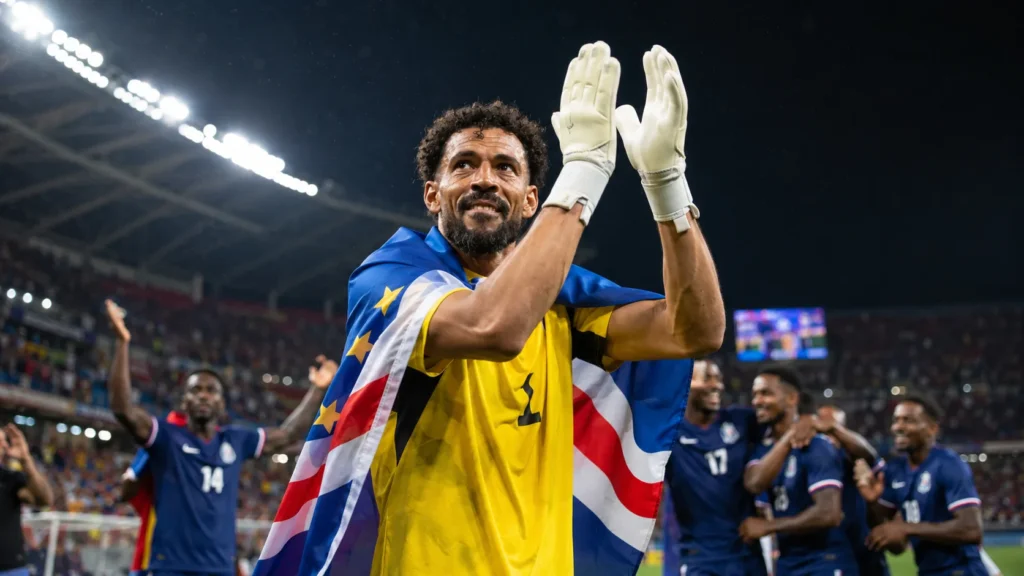
Vozinha did not just have a good World Cup. He became a symbol of what happens when a small nation forces the world to pay attention. Cape Verde arrived at the 2026 World Cup as a first-time participant, carrying the emotional weight of a country that had waited generations to be seen on this stage. Then came the match that changed the scale of the story: Cape Verde pushed Argentina to extra time, lost narrowly, and still walked away with something rare in football — respect that felt larger than the result.
That is where the money decision begins. Attention is not income. Applause is not a business model. A viral goalkeeper can be everywhere for a week and forgotten the next month if the moment is not organized. The lesson for Vozinha, and for anyone building value from sudden visibility, is simple: the first asset is not fame. The first asset is trust.
Why Cape Verde’s story matters beyond football
Cape Verde’s campaign worked because it had every ingredient that moves people: scarcity, pride, disadvantage, resilience and a face the audience could remember. The country is small, the football history is young, and the global stage is usually owned by giants. That contrast made every save, every delay, every reaction feel more valuable. Reuters described Cape Verde’s run as a campaign that put the island nation firmly on the map, while The Guardian framed the Argentina match as the kind of underdog performance that lives in World Cup memory.
For Money no Sofa, the point is not only sporting. It is economic. The world does not reward only the best product, player or company. It rewards the story people can repeat. That is true for an athlete, a creator, a small business, a blog or a new brand. Cape Verde created a story. Vozinha became one of its clearest symbols.
The first 30 days decide the value
After a viral moment, the natural temptation is to say yes to everything: interviews, brand posts, merch, appearances, quick sponsorships, charity requests, emotional tributes and social media collaborations. That is how value gets diluted. The first 30 days after a global spike should be treated like a launch window, not a celebration window.
The first move should be audience capture. Vozinha needs owned channels that do not depend only on media attention: Instagram, YouTube, a simple official site, an email list for academy updates and a verified contact path for business proposals. The second move should be message control. The story should not be “old goalkeeper goes viral.” It should be “Cape Verde pride, discipline and resilience in one career.” That message is stronger, more sponsor-safe and more durable.
The third move is filtering. Not every sponsor is worth accepting. A short-term gambling-heavy, low-trust or joke-driven partnership may pay fast but weaken long-term respect. A sportswear, goalkeeper gloves, travel, diaspora banking, education, tourism or youth development partner would fit the story better.
What he should monetize first
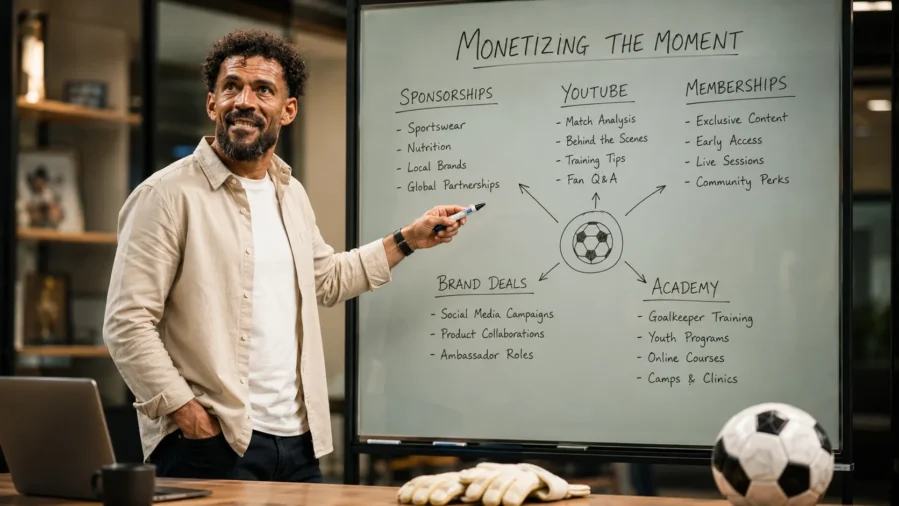
The highest-value path is not the fastest ad deal. It is a layered strategy. First, a signature content series: short videos about goalkeeping, pressure, Cape Verde, discipline and the emotional side of the World Cup. Second, a limited merchandise drop connected to national pride, not generic fame. Third, a goalkeeper academy or clinic model that can start as digital content and become physical events later. Fourth, carefully selected sponsor packages around resilience, preparation and legacy.
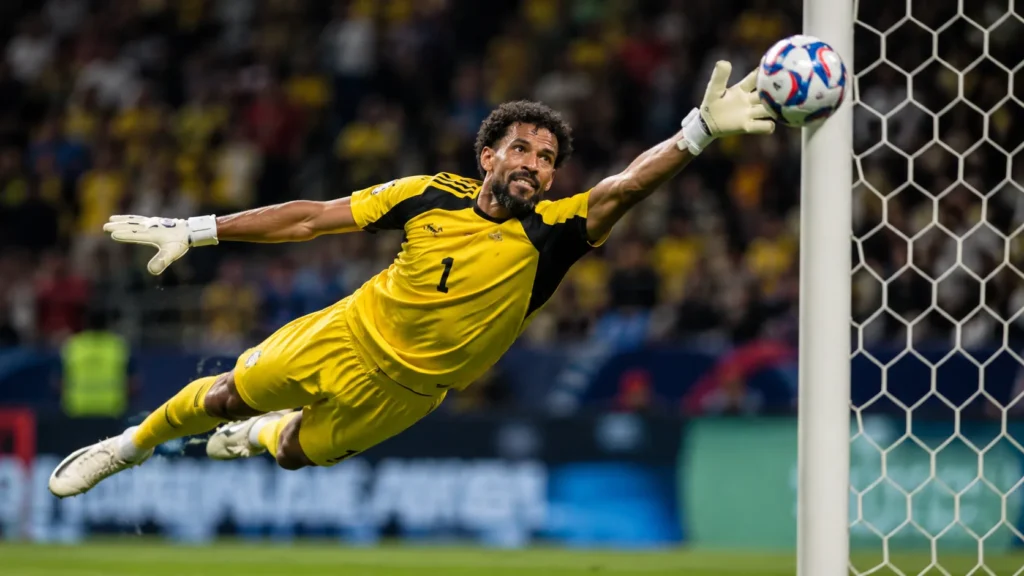
This matters because athletes often think monetization means selling access. The better model is building an institution around the moment. A save lasts seconds. A training method can last years. A viral quote fades. A youth academy becomes infrastructure. A one-off sponsor post disappears. A trusted story keeps earning.
The Money no Sofa takeaway
The same lesson applies inside the home. A raise, a bonus, a business idea, a viral post or a sudden opportunity is not automatically wealth. It becomes wealth only when the next decision is structured. Most people lose value because they treat good moments as permission to relax. Executives treat good moments as leverage.
Vozinha’s real money decision is not whether he became famous. It is whether he turns attention into trust, trust into a platform, and the platform into durable value. Cape Verde already won visibility. The next win is making that visibility useful after the stadium lights go off.
Sources and editorial note
This article is an editorial business analysis based on current reporting about Cape Verde’s 2026 World Cup run and Vozinha’s visibility. Sources include Reuters reporting on Argentina’s 3-2 extra-time win, Reuters reporting on Cape Verde’s homecoming, The Guardian, and The Guardian Free Agent XI.
The headline is only the start.
Ask Nova what this story could change in your budget, savings, debt, investments or next purchase.