Learn how to save money without cutting everything you enjoy. Build a practical system that removes waste, protects quality of life, and makes saving easier to sustain.
17–22 min read · Practical guide · Featured eBook: The Calm Money Reset
Why Saving Money Often Feels Like Punishment
Most saving advice begins in the wrong emotional place. It assumes that if you are not saving enough, you need more discipline, more restriction, and more reasons to say no. That can work for a week or two. Then normal life returns: work gets busy, the refrigerator is empty, someone needs something unexpectedly, and the plan collapses under its own rigidity.
The deeper problem is not that people enjoy spending. The problem is that many financial systems are built around constant decision-making. Every meal, every app renewal, every online purchase, every weekend plan and every supermarket visit becomes another moment in which you must be perfectly rational. That is exhausting. A sustainable save-money strategy reduces the number of decisions you have to win.
The goal is not to make your life smaller. It is to remove spending that does not improve your life and protect the spending that actually does. That sounds simple, but it creates a very different budget. Instead of treating every dollar as guilty until proven innocent, you ask whether each recurring expense earns its place.
The Difference Between Cutting Costs and Cutting Value
Two households can reduce spending by the same amount and have completely different experiences. One cancels the gym it uses, stops seeing friends and removes every small pleasure. The other renegotiates insurance, removes three forgotten subscriptions, plans groceries better and reduces last-minute delivery. Both save money. Only one has built a system likely to survive.
This is the core principle: cut waste before you cut joy. Waste is money that leaves without producing enough convenience, security, health, time or happiness in return. Joy is personal. A modest dinner with friends may be more valuable to you than a premium streaming package. Someone else may make the opposite choice. Your budget should reflect your real life rather than a generic list of things the internet says are unnecessary.
A practical way to do this is to label expenses as high-value, neutral, or low-value. High-value costs clearly support your life. Neutral costs may be useful but are open to optimization. Low-value costs are the recurring charges and habits you would not choose again if you had to decide today.

Run a 90-Day Money Visibility Audit
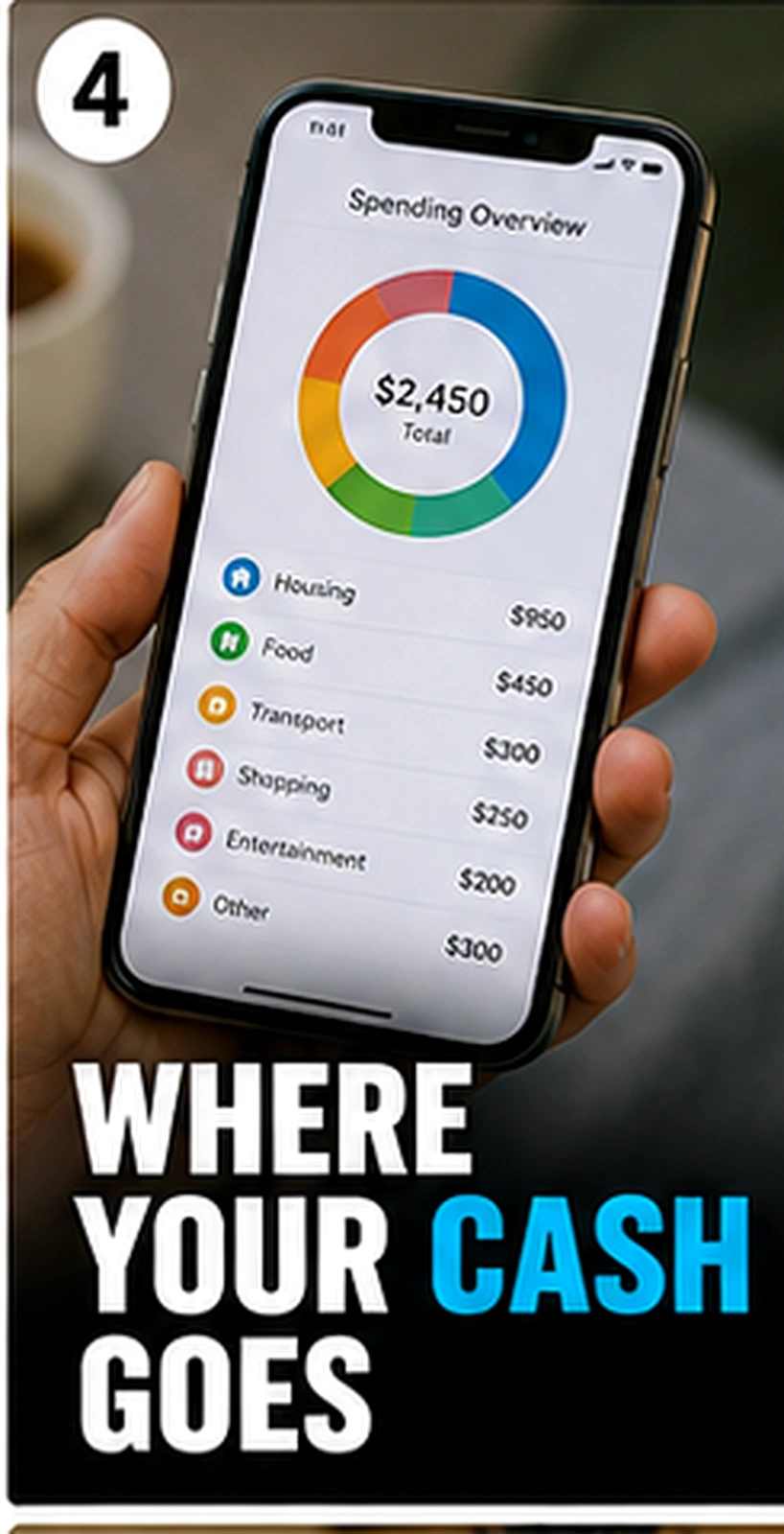
Before cutting anything, review 60 to 90 days of real transactions. Memory is a poor financial dashboard. We remember large purchases and forget recurring leaks. We notice an expensive dinner and ignore a dozen small payments that quietly cost more over the year.
Go through bank and credit-card activity and mark subscriptions, delivery, groceries, transport, online shopping, banking fees, entertainment and household services. Then ask one question: would I choose this expense again today at this price? The question is powerful because it breaks the link between past decisions and current behavior.
You are not looking for a perfect spreadsheet. You are looking for patterns. Maybe grocery spending spikes because you make several small supermarket visits instead of one planned shop. Maybe delivery happens on the same two exhausting weekdays. Maybe you pay for overlapping apps. Patterns tell you where a better routine can save more than willpower ever will.

Attack the Big Recurring Decisions First
People often spend enormous mental energy trying to save a few dollars while ignoring the bills that shape the entire month. A high-leverage saving plan reviews the largest recurring costs first: housing-related services, insurance, mobile, internet, transport, debt interest and groceries.
Suppose you reduce an internet and mobile bundle by $35 a month, cut two unused subscriptions worth $28, and improve food planning enough to save $90. That is $153 a month, or $1,836 a year, from a handful of structural decisions. You did not need to count every coffee. You needed to improve the defaults.
This is what executives call leverage: make a decision once and let the benefit repeat. Your personal finances should work the same way. The best saving move is often the one that keeps saving next month without requiring another burst of motivation.
Use Friction to Stop Impulse Spending
Modern commerce is designed to remove friction. Cards are stored. Checkout takes seconds. Ads are personalized. Delivery is fast. These features are convenient, but they also shorten the distance between emotion and purchase. When buying becomes effortless, reflection disappears.
Create your own friction. For non-essential purchases, use a waiting rule: 24 hours for small purchases, 72 hours for medium purchases, and seven days for expensive discretionary items. Put the product on a list instead of in the cart. If you still want it after the waiting period and it fits the budget, buy it without guilt.
The point is not to make spending difficult. The point is to separate genuine value from temporary urgency. Many purchases disappear once the emotional moment passes. That is money saved without feeling deprived because you are not saying never. You are saying not yet.

Protect the Routines That Save You Money
Many financial problems are operational problems in disguise. Food delivery rises when meal planning fails. Convenience-store spending rises when groceries are not organized. Online shopping grows when boredom, stress or late-night scrolling becomes a routine. Saving improves when the surrounding routine improves.
Design easy defaults. Keep a short list of rescue meals for busy nights. Maintain a shared grocery list. Choose one day for household review. Decide in advance when delivery is worth the convenience. Small operational choices reduce financial noise because they remove expensive last-minute decisions.
A calmer routine is often cheaper than a stricter budget. It also protects your attention. The less often money becomes an emergency, the less likely you are to solve the moment with the fastest and most expensive option.

Automate Saving Before Lifestyle Expands
If saving happens only at the end of the month, it competes with everything that came before it. Automation changes the sequence. When income arrives, move a realistic amount to savings immediately. Start smaller than your ego wants if necessary. Consistency is more valuable than an aggressive transfer you reverse three days later.
You can also automate increases. When a debt payment ends, redirect part of the old payment to savings. When income rises, increase the transfer before your lifestyle absorbs the difference. When you cancel a recurring service, move the same amount into your emergency or opportunity fund.
This is important because a discount is not the same as saving. If you cut a $30 subscription and casually spend the $30 elsewhere, you reduced one expense but did not improve your financial position. Redirecting the money turns optimization into progress.
Build a Budget That Leaves Room for Being Human
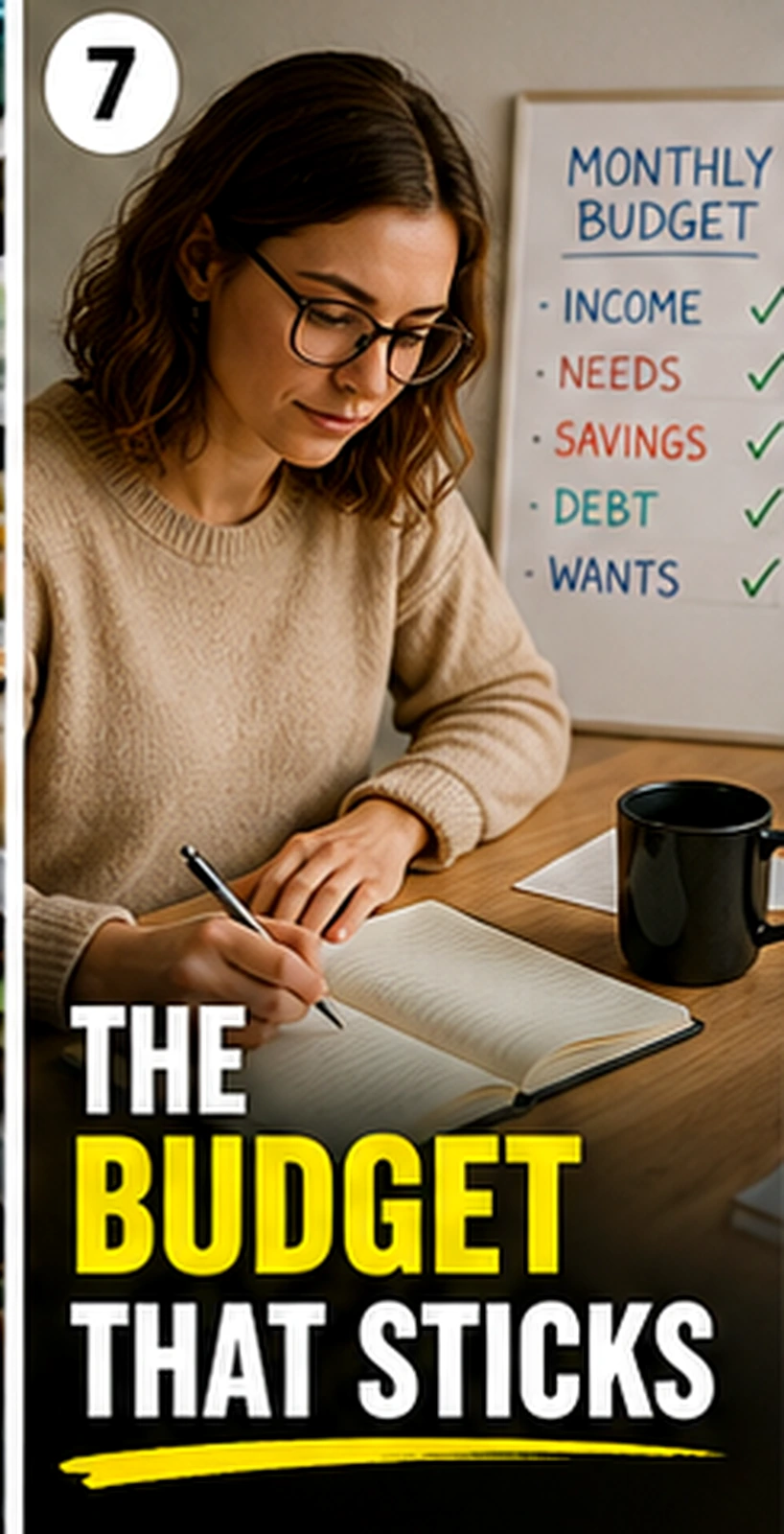
A budget that assumes perfect behavior is not a budget. It is a fantasy. Real people get tired, celebrate birthdays, make mistakes, want convenience and occasionally spend money simply because it makes life better. A sustainable plan includes those realities instead of pretending they will disappear.
Create a small guilt-free category for flexible spending. The amount should fit your situation, but the category itself is valuable. It protects the larger plan because you do not need to feel that every pleasure is a financial failure. The psychological difference between planned enjoyment and accidental overspending is enormous.
The strongest money systems combine boundaries with permission. They tell you what matters, where the limits are and what you can enjoy without reopening the entire financial debate every time.

A Realistic Example: Saving $250 a Month Without a Miserable Life
Imagine a household that wants to create a $3,000 annual buffer. Instead of banning restaurants and entertainment, it reviews recurring spending. It cancels $42 in unused subscriptions, changes a telecom plan to save $38, plans groceries to save roughly $95, reduces convenience delivery by $50 and renegotiates one insurance product for another $25 monthly saving.
The total is $250 a month, or $3,000 a year. The household still eats out, streams entertainment and buys things it values. What changed was not its quality of life. What changed was the amount of invisible waste inside the system.
This kind of example matters because it proves that saving is not always about becoming a different person. Often it is about becoming more deliberate with the person and life you already have.

Your 7-Day Save-Money Starter Plan
Day 1: review the last 90 days of transactions. Day 2: cancel or pause one low-value recurring cost. Day 3: choose one major bill to compare or renegotiate. Day 4: plan your next five dinners before grocery shopping. Day 5: add a purchase waiting rule. Day 6: automate a small savings transfer. Day 7: write down three expenses you want to keep because they genuinely improve your life.
The final step is important. Saving should not become a campaign against everything enjoyable. Knowing what you want to protect makes it easier to cut what does not matter. You are building a hierarchy, not a punishment system.
Repeat the seven-day review every few months. Financial drift is normal. The answer is not constant obsession. The answer is a lightweight reset before small leaks become permanent.

How to Decide What Is Worth Keeping
When people become serious about saving, they sometimes swing too far and start treating every discretionary expense as suspicious. A better approach is to define what you are buying with the expense. A gym membership may buy health and routine. A weekly coffee with a friend may buy connection. A premium tool may buy hours of time. The price alone does not tell you whether the expense is good or bad; the relationship between cost and value does.
Use four filters: frequency of use, emotional or practical value, availability of a cheaper substitute, and what the expense prevents you from funding elsewhere. An item that scores high on use and value can stay even if it is technically optional. An item that scores low on all four should be easy to challenge. This removes morality from the budget and replaces it with prioritization.
It also creates confidence. When you know why you are keeping an expense, you stop feeling guilty every time money leaves. Deliberate spending is easier to sustain than vague restriction because the decision has already been made.
Save More Without Social Isolation
One reason extreme budgets fail is that they ignore the social role of money. Birthdays, dinners, children’s activities, coffee, small gifts and travel are not just transactions. They are often part of relationships. Cutting them all can make saving feel like withdrawal from normal life.
Instead of eliminating social spending, give it shape. Decide how many restaurant meals or paid activities fit the month. Suggest lower-cost alternatives sometimes: a walk, a home dinner, a park, a shared movie night. Spend more intentionally on fewer experiences that actually matter.
A useful rule is to protect the relationship while questioning the format. You may still see friends, but not every meeting needs an expensive venue. You may still celebrate, but not every celebration needs to become an unplanned shopping event. Financial resilience and a full social life can coexist when the spending is designed rather than automatic.
Know When the Problem Is Income, Not Spending
There is a limit to what optimization can solve. If essential housing, food, transport, health and debt obligations consume nearly all available income, the problem is not that you failed to cancel enough subscriptions. The system may have an income gap.
Recognizing this matters because endless cost cutting can become demoralizing when the real lever is earning power. Once obvious waste has been removed and core expenses are already lean, the next question is how to protect or increase income: negotiating pay, changing roles, adding a service, selling unused assets, improving skills or building a second income stream that fits your life.
Saving and earning are not competing strategies. They reinforce each other. Reducing waste creates breathing room. Higher income creates scale. The strongest financial position usually comes from controlling both sides rather than demanding that one side solve everything.
FAQ
How much should I save each month?
There is no universal number. Start with an amount you can sustain and increase it when your system creates more room. A smaller transfer repeated for a year usually beats an aggressive target abandoned after two months.
Should I stop buying coffee or eating out?
Only if those expenses are low-value to you or are crowding out higher priorities. The point is not to follow symbolic rules. Review the total category and decide what level fits your goals.
Should I pay debt or save first?
High-interest debt usually deserves urgent attention, while a basic emergency buffer can reduce the chance of creating new debt. The right split depends on rates, stability and your personal risk.
How often should I review subscriptions and bills?
A quick monthly scan and a deeper review every three to six months is enough for most people.
What if my income is too tight to save much?
Focus first on visibility, expensive debt, recurring leaks and income protection. Saving even a small buffer can matter, but do not pretend a structural income gap can be solved only by cutting small expenses.
Related Save Money Guides
- The 30-Day Save Money Reset That Actually Works
- The Subscription Trap: How Small Monthly Charges Drain Your Money
- How Families Can Save Money Without Making Life Feel Smaller
- How to Use Smart Tools and Better Habits to Save More Money
Next Step
If you want to go deeper without turning personal finance into another exhausting project, read The Calm Money Reset. It expands the same idea: reduce financial noise, rebuild routines, separate guilt from responsibility and create a system you can actually live with.
The objective is not to win one cheap month. It is to build a calmer financial operating system that keeps working when life is busy.
The headline is only the start.
Ask Nova what this story could change in your budget, savings, debt, investments or next purchase.