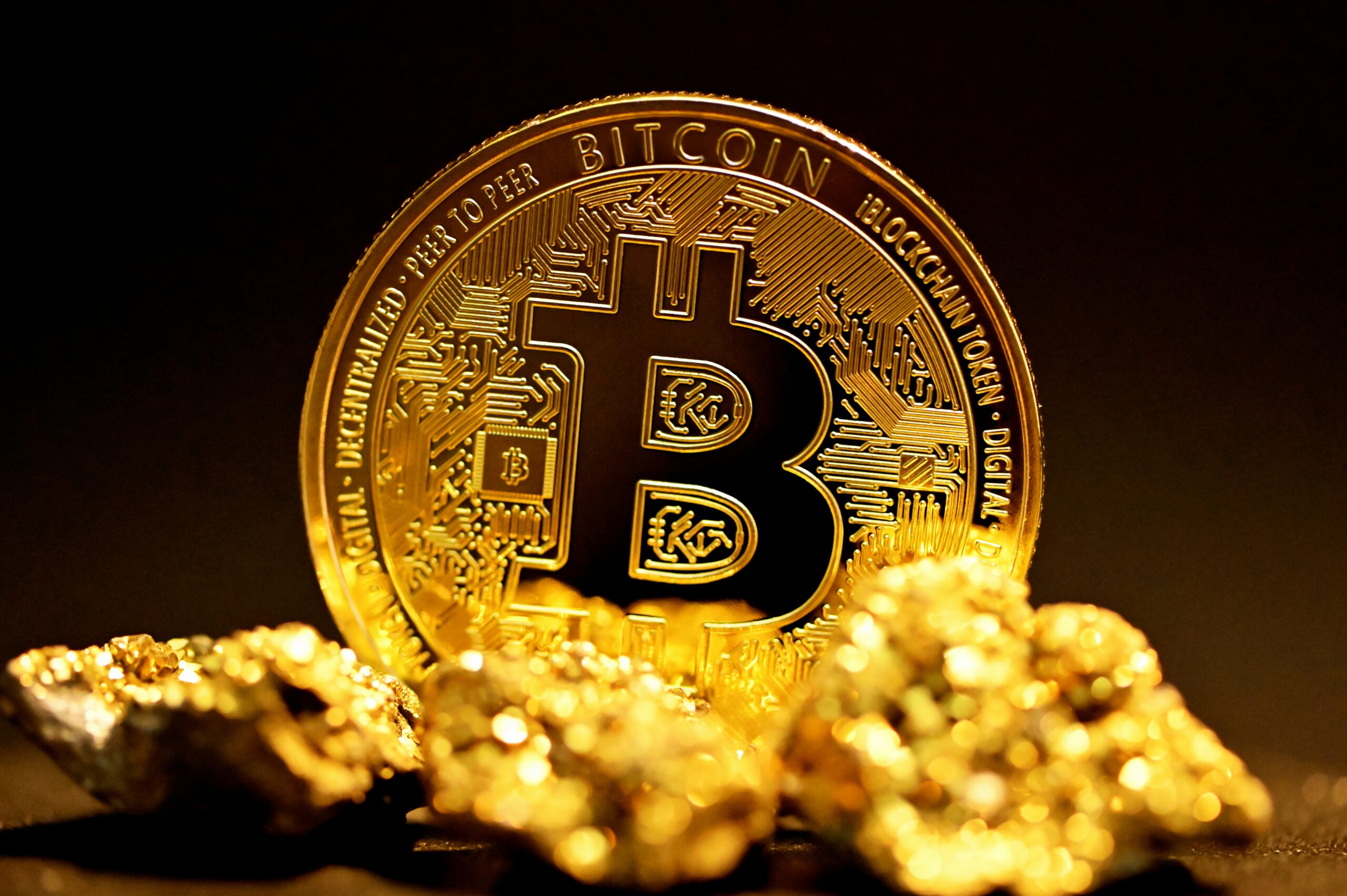
A personal story about confusion, curiosity and the moment Bitcoin stopped feeling like internet noise—and started becoming understandable.
For months, Bitcoin lived in the background of my life.
It appeared in headlines, conversations, podcasts, family groups and those late-night videos that somehow make everything sound urgent. One person said it was the future of money. Another said it was a bubble. Someone else claimed that anyone who did not buy immediately would regret it forever.
I did what many ordinary people do when a subject feels important but confusing: I postponed understanding it.

The feeling of already being too late
Every time Bitcoin rose in price, I felt late. Every time it fell, I felt relieved that I had stayed away. That cycle was comfortable because it allowed me to avoid making a decision.
But underneath that comfort was a harder question: was I avoiding Bitcoin because it was too risky, or because I did not understand it well enough to think clearly?
I had real responsibilities. Bills. Family expenses. Plans that could not depend on internet excitement. I did not want to gamble with money that had taken years to earn. I also did not want fear to become an excuse for ignoring a major change in how people think about value, technology and ownership.

The first attempts only made it worse
I started reading. That should have helped, but at first it made everything more confusing.
There were wallets, private keys, exchanges, miners, halvings, blockchains, market cycles and charts covered in lines that looked important but explained very little. The more technical the explanation became, the more I felt that Bitcoin belonged to a different type of person.
Someone younger. More technical. More comfortable with risk. Someone who had discovered it years earlier and already knew all the words.
Then I noticed something: most explanations began in the wrong place. They started with the technology, the price or the opportunity. They rarely started with the person sitting at home wondering whether any of this had a place in a normal financial life.

The moment Bitcoin became understandable
The turning point was not a chart. It was not a prediction. It was not a story about someone becoming rich.
It was a simple idea: before asking whether Bitcoin would go up, I needed to understand what problem it was trying to solve.
That changed the entire conversation.
I began to see Bitcoin not as a magic investment, but as a system created around scarcity, digital ownership and the ability to transfer value without depending entirely on one central institution. That did not make it risk-free. It did not make every argument in its favor correct. It simply made the subject less mysterious.
For the first time, I could separate three different questions:
- What is Bitcoin?
- Why do some people believe it matters?
- Does it make sense for me to own any?
Those questions are related, but they are not the same. Understanding Bitcoin does not obligate anyone to buy it. Buying it does not require believing every prediction. And choosing not to buy does not mean the subject is irrelevant.
Why this became an ebook
Once the confusion began to clear, I started organizing what I had learned.
I wrote down the questions I had been embarrassed to ask. I removed the technical language that made simple ideas sound inaccessible. I separated facts from enthusiasm. I added the risks that people often skip when they are trying to sell excitement.
Slowly, those notes became a guide.
The ebook was not created to convince everyone to invest in Bitcoin. It was created for people who feel surrounded by the subject but still do not feel included in the conversation.
It is for the person who wants to understand what a wallet does before opening one. The person who wants to know the difference between owning Bitcoin and leaving money on an exchange. The person who has heard stories about huge gains, painful losses and forgotten passwords and wants a calmer starting point.

Understanding before urgency
Bitcoin is often presented through urgency. Buy now. Do not miss the next cycle. Protect yourself before it is too late.
Urgency may create action, but it rarely creates good judgment.
A better starting point is slower: understand the idea, recognize the risks, decide what role—if any—it should have in your financial life, and never use money your family may need.
That is the philosophy behind this guide. It does not promise easy money. It does not predict the next price. It does not pretend Bitcoin is simple, safe or appropriate for everyone.
It simply helps you move from confusion to clarity.
The next chapter
Perhaps you have also watched Bitcoin from a distance. Perhaps you have felt curious, skeptical, late or overwhelmed. That does not mean you missed your chance to understand it.
The first useful step is not buying. It is learning enough to make your own decision.
Ready to go deeper? If you want to understand Bitcoin through custody, government power, reserves and geopolitics, continue with the Bitcoin & Power Collection. It includes two focused books for $14.99 — less than buying them separately.
Continue Learning About Bitcoin
If you want a slower first step, read Bitcoin After 50. To understand the bigger monetary argument, continue with how Bitcoin changed the rules of money.
For a book-length introduction to Bitcoin’s origins, Satoshi and the ideas behind money, explore The Bitcoin Trilogy — Complete Set.
Disclaimer: This article and the ebook are educational materials, not personalized financial advice. Bitcoin is volatile and can result in significant losses. Always research independently and consider professional guidance before making financial decisions.
The headline is only the start.
Ask Nova what this story could change in your budget, savings, debt, investments or next purchase.